
Transdisciplinary
The successful development of digital solutions almost always requires the cooperation of different disciplines. Designers, software developers and application specialists are necessary.
In addition, ethnographers, economists, lawyers, mathematicians and others are often needed, whereby several expertises are usually required in each discipline. Good solution design requires, for example, knowledge of good practice examples, the ability to co-create with users, user experience and accessibility expertise, a talent for durable design, heuristics for dealing with complexity, writing usable requirements specifications and ethical reflection. At the BFH Centre Digital Society, we do not rely on interfaces between disciplines, but work together freely in a transdisciplinary way. The methods used result from the practical question.
All articles
 https://www.societybyte.swiss/wp-content/uploads/2019/09/BFH_SocietyByte_banner_KOLUMNE_1920x600.jpg
405
1296
Reinhard Riedl
https://www.societybyte.swiss/wp-content/uploads/2023/05/logo-societybyte-EN.webp
Reinhard Riedl2021-04-09 16:53:552021-04-23 16:45:08The underestimated automation
https://www.societybyte.swiss/wp-content/uploads/2019/09/BFH_SocietyByte_banner_KOLUMNE_1920x600.jpg
405
1296
Reinhard Riedl
https://www.societybyte.swiss/wp-content/uploads/2023/05/logo-societybyte-EN.webp
Reinhard Riedl2021-04-09 16:53:552021-04-23 16:45:08The underestimated automation https://www.societybyte.swiss/wp-content/uploads/2021/01/Leuenberger_Porträt_ret-e1611238893718.jpg
573
893
Reinhard Riedl
https://www.societybyte.swiss/wp-content/uploads/2023/05/logo-societybyte-EN.webp
Reinhard Riedl2021-02-03 11:40:472021-04-27 11:03:25“Man is an analogue being” – Interview with Moritz Leuenberger on digitalisation, stupidity and democracy (2)
https://www.societybyte.swiss/wp-content/uploads/2021/01/Leuenberger_Porträt_ret-e1611238893718.jpg
573
893
Reinhard Riedl
https://www.societybyte.swiss/wp-content/uploads/2023/05/logo-societybyte-EN.webp
Reinhard Riedl2021-02-03 11:40:472021-04-27 11:03:25“Man is an analogue being” – Interview with Moritz Leuenberger on digitalisation, stupidity and democracy (2) https://www.societybyte.swiss/wp-content/uploads/2021/01/iStock-1222726364_virtuelle_Prüfung-Konvertiert.jpg
596
842
Reto Jud
https://www.societybyte.swiss/wp-content/uploads/2023/05/logo-societybyte-EN.webp
Reto Jud2021-01-29 12:00:572021-04-27 11:05:26Lessons from Covid-19 – Paradigm shift through distance testing (4)
https://www.societybyte.swiss/wp-content/uploads/2021/01/Leuenberger_Porträt_ret-e1611238893718.jpg
573
893
Reinhard Riedl
https://www.societybyte.swiss/wp-content/uploads/2023/05/logo-societybyte-EN.webp
Reinhard Riedl2021-01-26 12:00:352021-04-27 11:07:06“Man is an analogue being” – Moritz Leuenberger on digitalisation, stupidity and democracy (1)
https://www.societybyte.swiss/wp-content/uploads/2019/09/BFH_SocietyByte_banner_KOLUMNE_1920x600.jpg
405
1296
Reinhard Riedl
https://www.societybyte.swiss/wp-content/uploads/2023/05/logo-societybyte-EN.webp
Reinhard Riedl2021-01-18 12:00:482021-04-27 11:10:39Digital personalisation – future opportunity or dead end (2)
https://www.societybyte.swiss/wp-content/uploads/2021/01/iStock-1222726364_virtuelle_Prüfung-Konvertiert.jpg
596
842
Reto Jud
https://www.societybyte.swiss/wp-content/uploads/2023/05/logo-societybyte-EN.webp
Reto Jud2021-01-29 12:00:572021-04-27 11:05:26Lessons from Covid-19 – Paradigm shift through distance testing (4)
https://www.societybyte.swiss/wp-content/uploads/2021/01/Leuenberger_Porträt_ret-e1611238893718.jpg
573
893
Reinhard Riedl
https://www.societybyte.swiss/wp-content/uploads/2023/05/logo-societybyte-EN.webp
Reinhard Riedl2021-01-26 12:00:352021-04-27 11:07:06“Man is an analogue being” – Moritz Leuenberger on digitalisation, stupidity and democracy (1)
https://www.societybyte.swiss/wp-content/uploads/2019/09/BFH_SocietyByte_banner_KOLUMNE_1920x600.jpg
405
1296
Reinhard Riedl
https://www.societybyte.swiss/wp-content/uploads/2023/05/logo-societybyte-EN.webp
Reinhard Riedl2021-01-18 12:00:482021-04-27 11:10:39Digital personalisation – future opportunity or dead end (2) https://www.societybyte.swiss/wp-content/uploads/2021/01/iStock-1270805299_Blinder_Mann_Smartphone_ret.jpg
836
1254
Eveline Rutz
https://www.societybyte.swiss/wp-content/uploads/2023/05/logo-societybyte-EN.webp
Eveline Rutz2021-01-04 12:00:562021-04-27 11:22:21What barriers there are for blind people on the net
https://www.societybyte.swiss/wp-content/uploads/2019/09/BFH_SocietyByte_banner_KOLUMNE_1920x600.jpg
405
1296
Reinhard Riedl
https://www.societybyte.swiss/wp-content/uploads/2023/05/logo-societybyte-EN.webp
Reinhard Riedl2020-12-31 12:00:562021-04-27 11:46:30Digital personalisation: future opportunity or dead end (1)
https://www.societybyte.swiss/wp-content/uploads/2021/01/iStock-1270805299_Blinder_Mann_Smartphone_ret.jpg
836
1254
Eveline Rutz
https://www.societybyte.swiss/wp-content/uploads/2023/05/logo-societybyte-EN.webp
Eveline Rutz2021-01-04 12:00:562021-04-27 11:22:21What barriers there are for blind people on the net
https://www.societybyte.swiss/wp-content/uploads/2019/09/BFH_SocietyByte_banner_KOLUMNE_1920x600.jpg
405
1296
Reinhard Riedl
https://www.societybyte.swiss/wp-content/uploads/2023/05/logo-societybyte-EN.webp
Reinhard Riedl2020-12-31 12:00:562021-04-27 11:46:30Digital personalisation: future opportunity or dead end (1) https://www.societybyte.swiss/wp-content/uploads/2020/12/iStock-1147350187_Accessibility.jpg
744
1411
Eveline Rutz
https://www.societybyte.swiss/wp-content/uploads/2023/05/logo-societybyte-EN.webp
Eveline Rutz2020-12-29 12:00:192021-04-27 11:48:28New standard makes it easier to avoid barriers on the internet
https://www.societybyte.swiss/wp-content/uploads/2020/12/iStock-1147350187_Accessibility.jpg
744
1411
Eveline Rutz
https://www.societybyte.swiss/wp-content/uploads/2023/05/logo-societybyte-EN.webp
Eveline Rutz2020-12-29 12:00:192021-04-27 11:48:28New standard makes it easier to avoid barriers on the internet https://www.societybyte.swiss/wp-content/uploads/2020/11/iStock-546179676_Justiz1.jpg
835
1255
Timur Acemoglu
https://www.societybyte.swiss/wp-content/uploads/2023/05/logo-societybyte-EN.webp
Timur Acemoglu2020-12-18 12:00:142021-04-27 11:51:39Lessons from the COVID19 crisis: How the courtroom became (not) virtual (2)
https://www.societybyte.swiss/wp-content/uploads/2020/11/iStock-546179676_Justiz1.jpg
835
1255
Timur Acemoglu
https://www.societybyte.swiss/wp-content/uploads/2023/05/logo-societybyte-EN.webp
Timur Acemoglu2020-12-18 12:00:142021-04-27 11:51:39Lessons from the COVID19 crisis: How the courtroom became (not) virtual (2)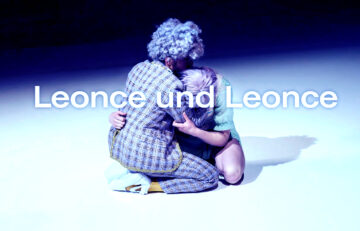 https://www.societybyte.swiss/wp-content/uploads/2020/12/Theater_Leonce_ret.jpg
790
1230
Reinhard Riedl
https://www.societybyte.swiss/wp-content/uploads/2023/05/logo-societybyte-EN.webp
Reinhard Riedl2020-12-11 15:08:592021-04-27 11:54:28Leonce and Leonce – a streaming review
https://www.societybyte.swiss/wp-content/uploads/2020/12/Theater_Leonce_ret.jpg
790
1230
Reinhard Riedl
https://www.societybyte.swiss/wp-content/uploads/2023/05/logo-societybyte-EN.webp
Reinhard Riedl2020-12-11 15:08:592021-04-27 11:54:28Leonce and Leonce – a streaming review https://www.societybyte.swiss/wp-content/uploads/2020/12/iStock-1223905285_Digitaler-Mindset_ret.jpg
861
1218
Alexander Hunziker
https://www.societybyte.swiss/wp-content/uploads/2023/05/logo-societybyte-EN.webp
Alexander Hunziker2020-12-08 12:00:352021-04-27 11:56:05An agile mindset is the key to digitalisation
https://www.societybyte.swiss/wp-content/uploads/2020/12/iStock-1223905285_Digitaler-Mindset_ret.jpg
861
1218
Alexander Hunziker
https://www.societybyte.swiss/wp-content/uploads/2023/05/logo-societybyte-EN.webp
Alexander Hunziker2020-12-08 12:00:352021-04-27 11:56:05An agile mindset is the key to digitalisation https://www.societybyte.swiss/wp-content/uploads/2020/12/iStock-1209171953_Global_Economy_Covid-Crisis.jpg
734
1429
Reinhard Riedl
https://www.societybyte.swiss/wp-content/uploads/2023/05/logo-societybyte-EN.webp
Reinhard Riedl2020-12-04 12:00:502021-04-27 11:57:17Business Transformation in the Covid 19 Crisis (4) – Trade Collapse and the Next Globalisation
https://www.societybyte.swiss/wp-content/uploads/2020/12/iStock-1209171953_Global_Economy_Covid-Crisis.jpg
734
1429
Reinhard Riedl
https://www.societybyte.swiss/wp-content/uploads/2023/05/logo-societybyte-EN.webp
Reinhard Riedl2020-12-04 12:00:502021-04-27 11:57:17Business Transformation in the Covid 19 Crisis (4) – Trade Collapse and the Next Globalisation Contributions as RSS
 Comments as RSS