
Digital Government
The first question is: What will the state of the future look like? Digitalisation creates new possibilities for the organisation of the political-administrative system. The execution of tasks can be supported with intelligent digital tools or even completely automated. Processes can be organised and interconnected more efficiently, effectively and sometimes even completely differently than before. Administrative services can be better adapted to actual needs and personalised. The potential for innovation is huge and growing.
But the reality is often different. Many state institutions were unable to introduce a home office during the Covid-19 health crisis because the infrastructure requirements were lacking. When it comes to e-government buses, most people think of an information bus that travels from city to city. And they don’t want to hear anything about personalised portals for 10 years. That’s why the second question is: How do we get to the state of the future? How do we deal with the situation that growing complexity, acceleration of social change and a mix of technology and anti-institutional narratives are putting increasing pressure on the state? Or do we actually have to ask ourselves a third question: How can we reorganise the state’s guarantee tasks or even democratic processes with technology in an institution-free way?
All articles on Digital Government
 https://www.societybyte.swiss/wp-content/uploads/2020/03/Segf2020.jpg
415
1045
Anne-Careen Stoltze
https://www.societybyte.swiss/wp-content/uploads/2023/05/logo-societybyte-EN.webp
Anne-Careen Stoltze2020-03-04 10:11:202021-04-27 14:58:51The Swiss eGovernment Forum 2020: What it takes for the digital transformation of the administration
https://www.societybyte.swiss/wp-content/uploads/2020/03/Segf2020.jpg
415
1045
Anne-Careen Stoltze
https://www.societybyte.swiss/wp-content/uploads/2023/05/logo-societybyte-EN.webp
Anne-Careen Stoltze2020-03-04 10:11:202021-04-27 14:58:51The Swiss eGovernment Forum 2020: What it takes for the digital transformation of the administration https://www.societybyte.swiss/wp-content/uploads/2019/04/iStock-1035692508_ret.jpg
991
1059
Daniel Schwarz
https://www.societybyte.swiss/wp-content/uploads/2023/05/logo-societybyte-EN.webp
Daniel Schwarz2020-03-03 12:00:582021-04-27 15:00:13Digitisation Monitor 2019 – How policy-makers position themselves on digitisation
https://www.societybyte.swiss/wp-content/uploads/2019/04/iStock-1035692508_ret.jpg
991
1059
Daniel Schwarz
https://www.societybyte.swiss/wp-content/uploads/2023/05/logo-societybyte-EN.webp
Daniel Schwarz2020-03-03 12:00:582021-04-27 15:00:13Digitisation Monitor 2019 – How policy-makers position themselves on digitisation https://www.societybyte.swiss/wp-content/uploads/2020/01/iStock-1097271132_ret.jpg
836
1254
Jorge Kuehni
https://www.societybyte.swiss/wp-content/uploads/2023/05/logo-societybyte-EN.webp
Jorge Kuehni2020-01-28 12:00:502021-04-27 15:29:08The Federal Administration is aligning its human resources strategy with the digital transformation
https://www.societybyte.swiss/wp-content/uploads/2020/01/iStock-1097271132_ret.jpg
836
1254
Jorge Kuehni
https://www.societybyte.swiss/wp-content/uploads/2023/05/logo-societybyte-EN.webp
Jorge Kuehni2020-01-28 12:00:502021-04-27 15:29:08The Federal Administration is aligning its human resources strategy with the digital transformation https://www.societybyte.swiss/wp-content/uploads/2019/06/iStock-840675416_ret.jpg
836
1254
Alessia Neuroni
https://www.societybyte.swiss/wp-content/uploads/2023/05/logo-societybyte-EN.webp
Alessia Neuroni2020-01-21 12:14:382021-04-27 15:31:58“The public sector needs more dialogue and less garden-variety thinking”
https://www.societybyte.swiss/wp-content/uploads/2019/06/iStock-840675416_ret.jpg
836
1254
Alessia Neuroni
https://www.societybyte.swiss/wp-content/uploads/2023/05/logo-societybyte-EN.webp
Alessia Neuroni2020-01-21 12:14:382021-04-27 15:31:58“The public sector needs more dialogue and less garden-variety thinking” https://www.societybyte.swiss/wp-content/uploads/2020/01/iStock-178640690_alaingut_ret.jpg
844
1241
Alessia Neuroni
https://www.societybyte.swiss/wp-content/uploads/2023/05/logo-societybyte-EN.webp
Alessia Neuroni2020-01-14 12:00:272021-04-27 15:34:52“We don’t just need a technology debate, but above all a socio-political debate”
https://www.societybyte.swiss/wp-content/uploads/2020/01/iStock-178640690_alaingut_ret.jpg
844
1241
Alessia Neuroni
https://www.societybyte.swiss/wp-content/uploads/2023/05/logo-societybyte-EN.webp
Alessia Neuroni2020-01-14 12:00:272021-04-27 15:34:52“We don’t just need a technology debate, but above all a socio-political debate” https://www.societybyte.swiss/wp-content/uploads/2019/12/iStock-915462638_easygov_ret.jpg
836
1254
Staastssekretariat für Wirtschaft SECO
https://www.societybyte.swiss/wp-content/uploads/2023/05/logo-societybyte-EN.webp
Staastssekretariat für Wirtschaft SECO2020-01-07 12:14:002021-04-27 15:36:25EasyGov.swiss: eGovernment according to the needs of businesses
https://www.societybyte.swiss/wp-content/uploads/2019/12/iStock-915462638_easygov_ret.jpg
836
1254
Staastssekretariat für Wirtschaft SECO
https://www.societybyte.swiss/wp-content/uploads/2023/05/logo-societybyte-EN.webp
Staastssekretariat für Wirtschaft SECO2020-01-07 12:14:002021-04-27 15:36:25EasyGov.swiss: eGovernment according to the needs of businesses https://www.societybyte.swiss/wp-content/uploads/2016/09/Gruppe_04_def-opt-scaled.jpg
1186
1920
Alessia Neuroni
https://www.societybyte.swiss/wp-content/uploads/2023/05/logo-societybyte-EN.webp
Alessia Neuroni2020-01-03 12:00:472021-04-27 16:02:39January issue: Digital Administration Switzerland – from integration to transformation
https://www.societybyte.swiss/wp-content/uploads/2016/09/Gruppe_04_def-opt-scaled.jpg
1186
1920
Alessia Neuroni
https://www.societybyte.swiss/wp-content/uploads/2023/05/logo-societybyte-EN.webp
Alessia Neuroni2020-01-03 12:00:472021-04-27 16:02:39January issue: Digital Administration Switzerland – from integration to transformation https://www.societybyte.swiss/wp-content/uploads/2023/05/logo-societybyte-EN.webp
0
0
Anne-Careen Stoltze
https://www.societybyte.swiss/wp-content/uploads/2023/05/logo-societybyte-EN.webp
Anne-Careen Stoltze2019-11-27 15:23:532021-04-27 16:05:26What digital skills we need now – all presentations from the Transform conference
https://www.societybyte.swiss/wp-content/uploads/2023/05/logo-societybyte-EN.webp
0
0
Anne-Careen Stoltze
https://www.societybyte.swiss/wp-content/uploads/2023/05/logo-societybyte-EN.webp
Anne-Careen Stoltze2019-11-27 15:23:532021-04-27 16:05:26What digital skills we need now – all presentations from the Transform conference https://www.societybyte.swiss/wp-content/uploads/2019/11/iStock-1048721252_ret.jpg
836
1254
Kim Oliver Tokarski
https://www.societybyte.swiss/wp-content/uploads/2023/05/logo-societybyte-EN.webp
Kim Oliver Tokarski2019-11-27 13:14:232021-04-27 16:06:49Data, data, nothing but data. What do we do with it?
https://www.societybyte.swiss/wp-content/uploads/2019/11/iStock-1048721252_ret.jpg
836
1254
Kim Oliver Tokarski
https://www.societybyte.swiss/wp-content/uploads/2023/05/logo-societybyte-EN.webp
Kim Oliver Tokarski2019-11-27 13:14:232021-04-27 16:06:49Data, data, nothing but data. What do we do with it? https://www.societybyte.swiss/wp-content/uploads/2019/10/05_iStock-1077063568.jpg
1437
2086
Angelina Dungga
https://www.societybyte.swiss/wp-content/uploads/2023/05/logo-societybyte-EN.webp
Angelina Dungga2019-10-28 12:00:002021-04-23 10:55:44How to design a collaboration network for public value creation
https://www.societybyte.swiss/wp-content/uploads/2019/10/05_iStock-1077063568.jpg
1437
2086
Angelina Dungga
https://www.societybyte.swiss/wp-content/uploads/2023/05/logo-societybyte-EN.webp
Angelina Dungga2019-10-28 12:00:002021-04-23 10:55:44How to design a collaboration network for public value creation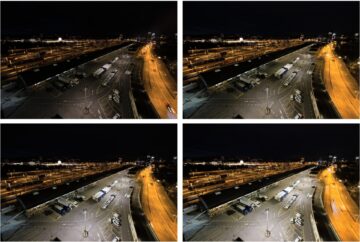 https://www.societybyte.swiss/wp-content/uploads/2019/09/Dimmprofile-Areal-Wolf-scaled.jpg
1290
1920
Anne-Careen Stoltze
https://www.societybyte.swiss/wp-content/uploads/2023/05/logo-societybyte-EN.webp
Anne-Careen Stoltze2019-09-30 16:43:442021-04-27 16:39:14How traffic measurements enable smart street lighting
https://www.societybyte.swiss/wp-content/uploads/2019/09/iStock-1092964594-ret.jpg
701
1496
Stephan Haller
https://www.societybyte.swiss/wp-content/uploads/2023/05/logo-societybyte-EN.webp
Stephan Haller2019-09-26 10:15:012021-04-28 09:12:23Linked Open Data for Smart Cities? New developments from the research perspective
https://www.societybyte.swiss/wp-content/uploads/2019/09/Dimmprofile-Areal-Wolf-scaled.jpg
1290
1920
Anne-Careen Stoltze
https://www.societybyte.swiss/wp-content/uploads/2023/05/logo-societybyte-EN.webp
Anne-Careen Stoltze2019-09-30 16:43:442021-04-27 16:39:14How traffic measurements enable smart street lighting
https://www.societybyte.swiss/wp-content/uploads/2019/09/iStock-1092964594-ret.jpg
701
1496
Stephan Haller
https://www.societybyte.swiss/wp-content/uploads/2023/05/logo-societybyte-EN.webp
Stephan Haller2019-09-26 10:15:012021-04-28 09:12:23Linked Open Data for Smart Cities? New developments from the research perspective Contributions as RSS
 Comments as RSS